


Turn your data into insight. Let's start with a 40-hour Tableau proof-of-concept for $2,500. Send your brief →
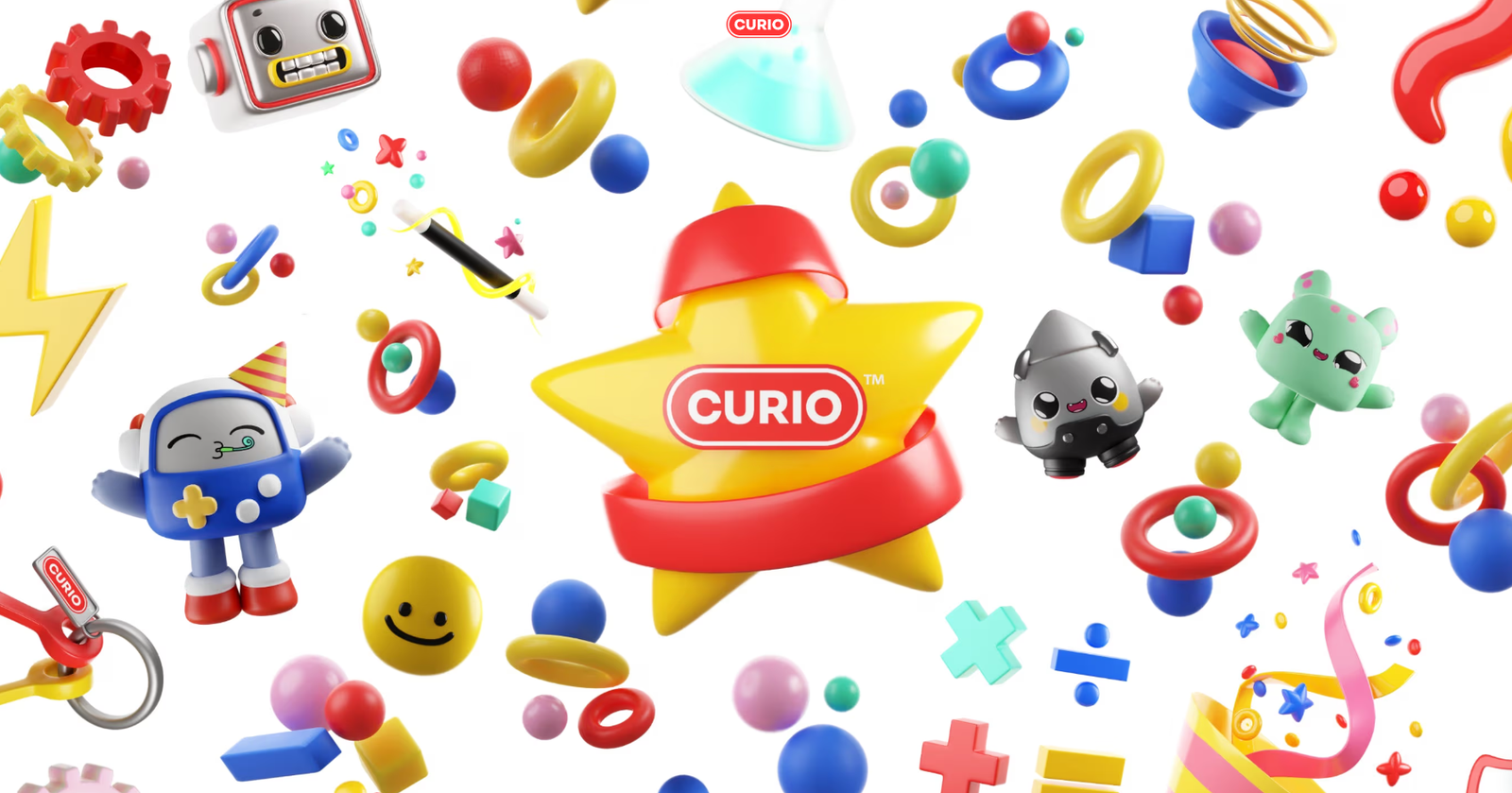
Opening HeyCurio feels different from typical AI products right away.
There is no dashboard, no prompt box, and no interface asking what you want to generate. Instead, the product exists as something physical. An AI-powered plush toy designed to talk, respond, and interact.
As I explored it, the experience felt less like using software and more like observing how AI behaves when it is embedded into a real-world object. The focus is not productivity or output. It is interaction, imagination, and presence. The idea becomes clear quickly. This is AI designed to reduce screen time and shift interaction away from devices into something more tangible.
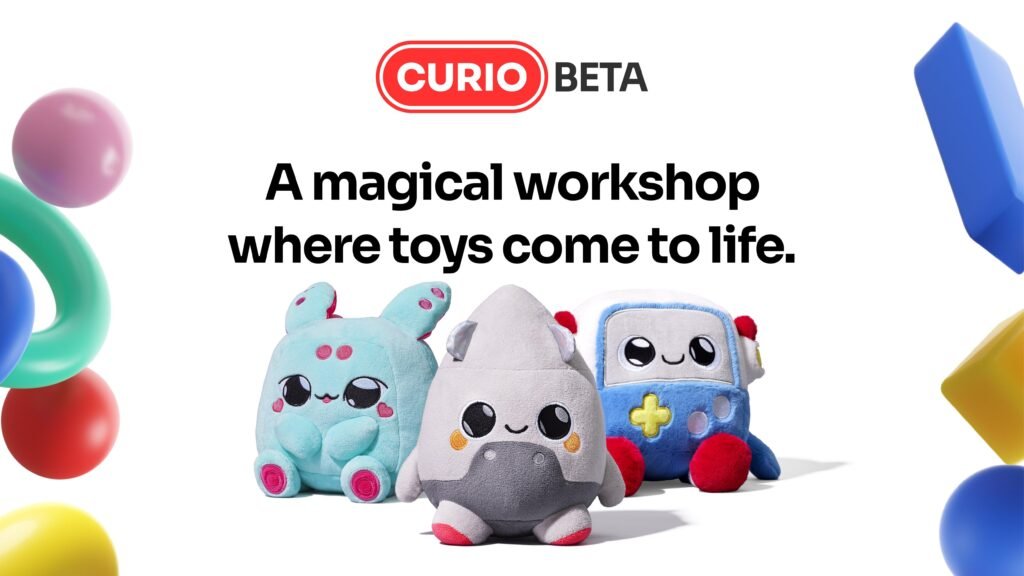
The website immediately communicates that this is not a typical tech product.
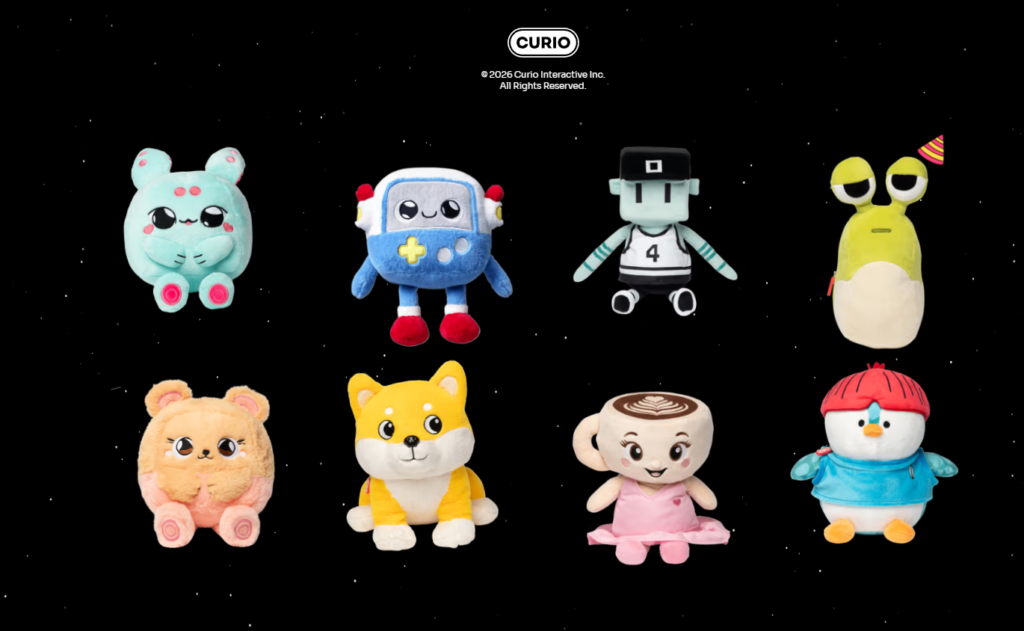
Instead of leading with specs, it highlights characters. Grok, Grem, and Gabbo are presented almost like personalities rather than products. That changes how you perceive the experience before even trying it.
As I scrolled, the messaging stayed focused on creativity and imagination. It emphasizes learning, play, and conversation rather than features or performance. It feels closer to a toy brand than a software company, even though the technology behind it is quite advanced.
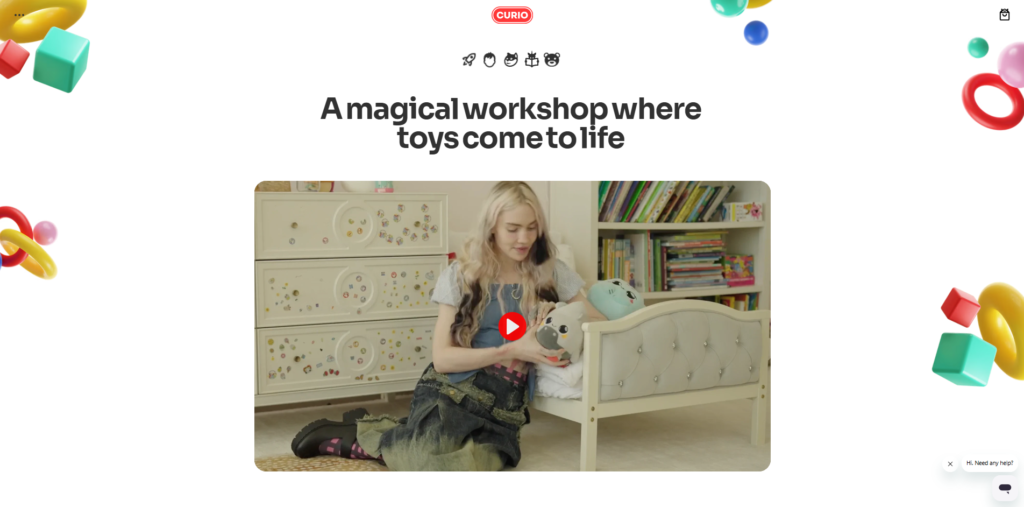
Setting it up feels more like preparing a device than installing software.
The process involves:
Once connected, interaction begins almost immediately.
What stood out to me is how quickly it transitions from setup to experience. There is no long configuration phase. The product encourages you to start talking to it right away.
The onboarding is not instructional. It is experiential.
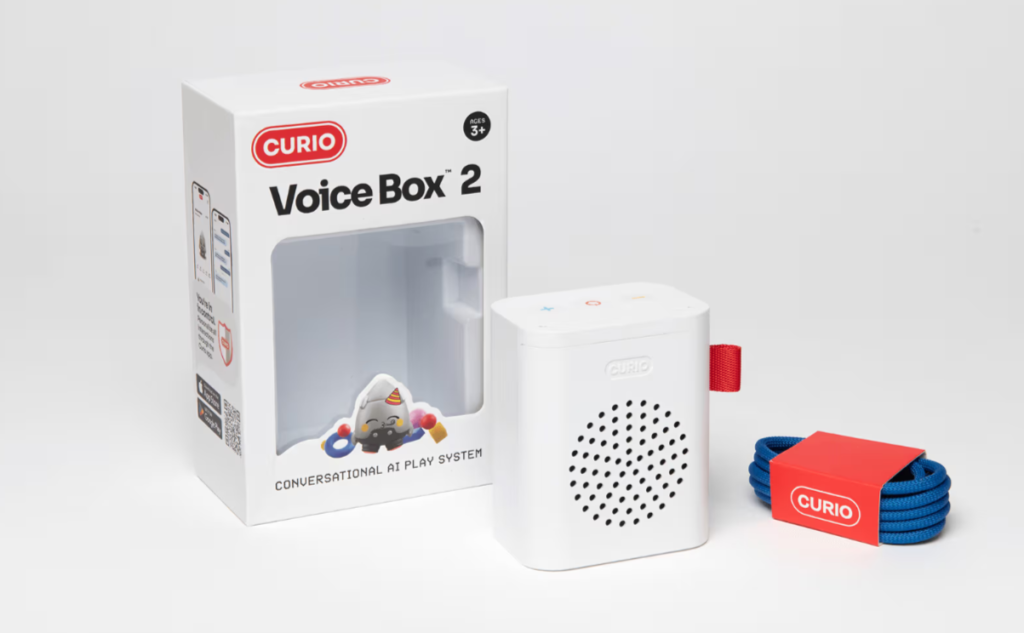
The interaction is entirely voice-driven.
You speak to the toy and it responds. The responses feel conversational and are designed to be safe and age-appropriate. The system includes built-in safeguards to ensure content stays within a controlled environment.
What I noticed after a few interactions is that it does not behave like a typical assistant. It does not wait for structured questions. It encourages playful dialogue.
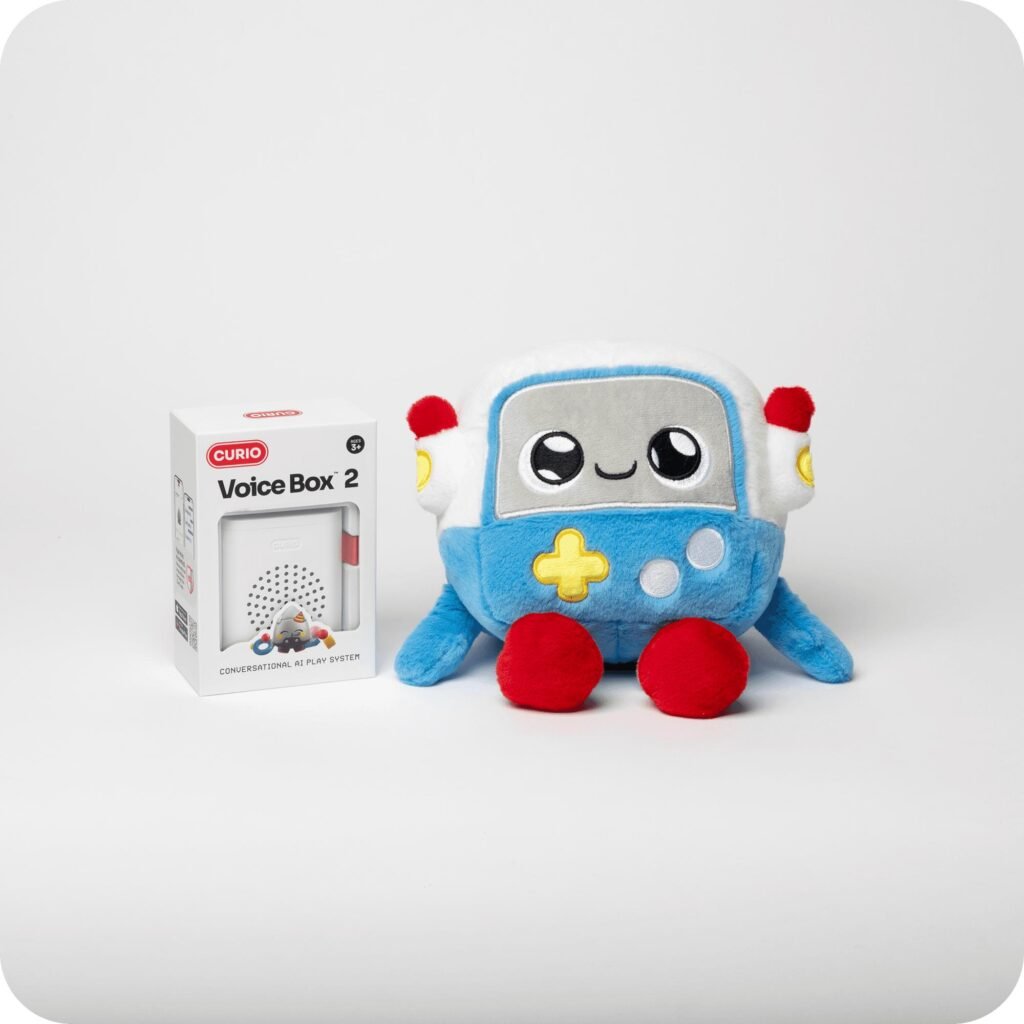
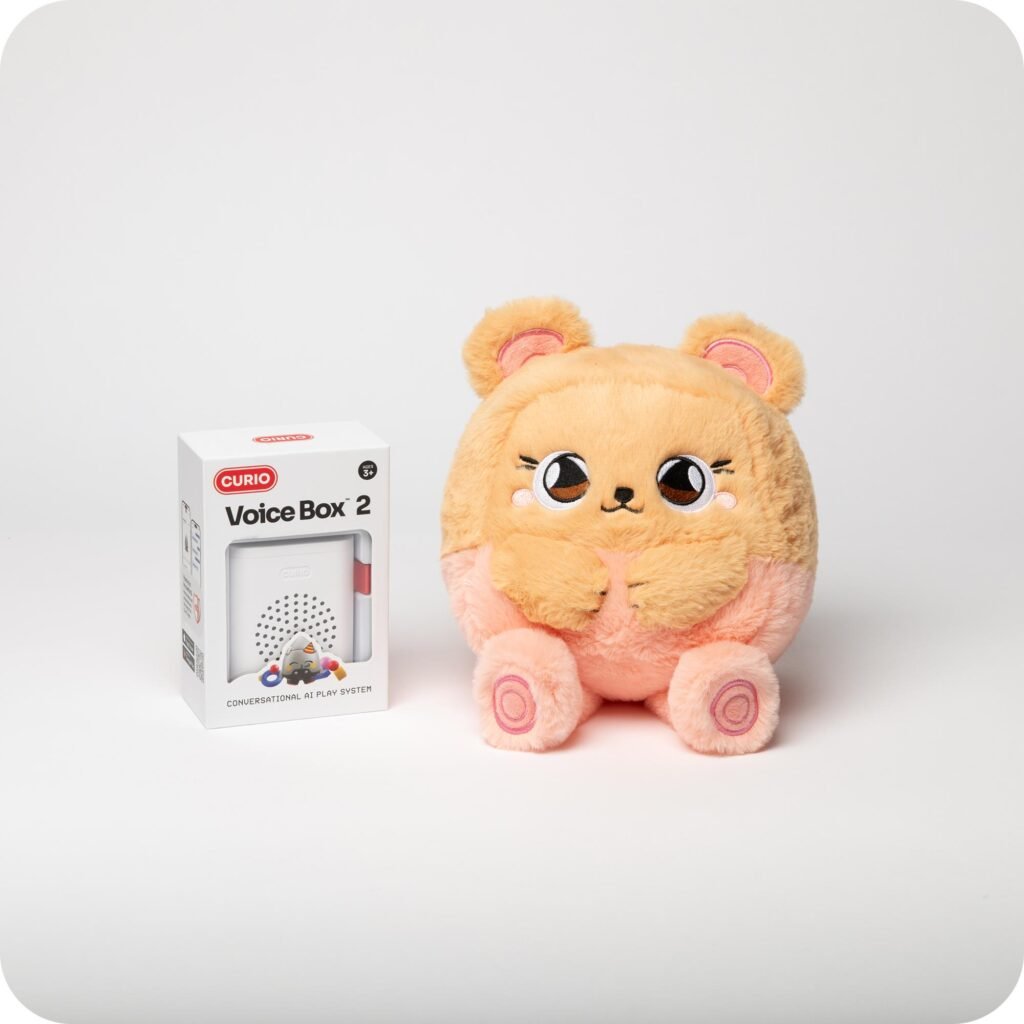
AI Conversation Engine
At the center of the product is conversational AI embedded directly into the toy.
It can:
The responses are simplified and tailored to be understandable and appropriate for children.

Each toy has its own personality.
This changes the experience significantly. Instead of interacting with a neutral assistant, you are engaging with a character. Over time, this creates a sense of familiarity.
The character layer is what transforms the product from a tool into something closer to a companion.
One of the biggest shifts is the absence of screens.
Everything happens through:
This is intentional. The product is designed to move interaction away from phones and tablets while still delivering AI-powered engagement.
The system encourages open-ended interaction.
It supports:
The goal is not structured learning but exploratory thinking. It feels less like education software and more like guided imagination.
From a product perspective, this is a very different design challenge.
There is no traditional interface to optimize. The experience depends on:
The UI is effectively invisible. Everything is embedded in behavior and interaction.
This suggests a system combining:
It is a strong example of AI moving beyond screens into physical environments.
Based on how it behaves, the product likely uses:
The combination allows the toy to function as a standalone interactive system rather than relying on a visible app interface.
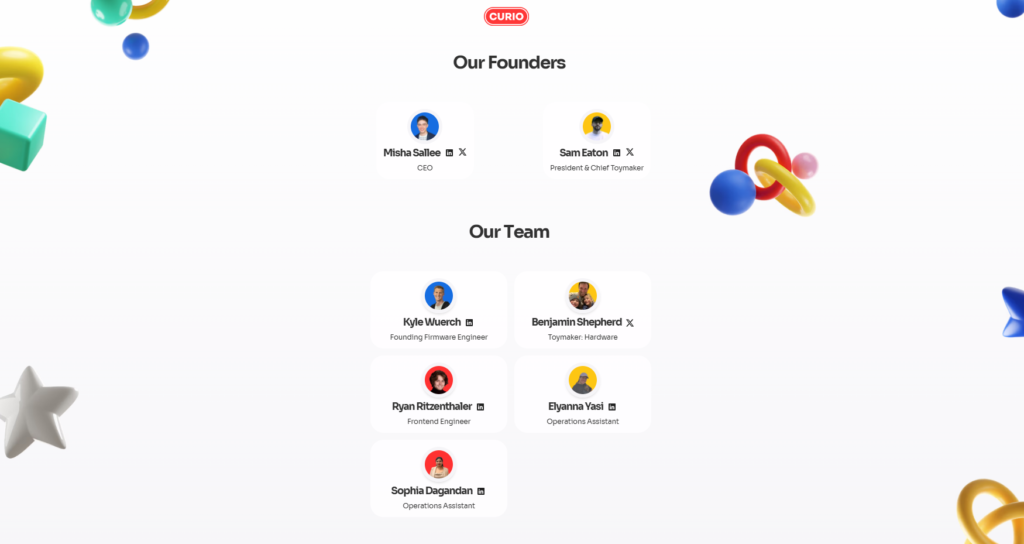
The product is built by Curio Interactive Inc., a startup focused on blending AI with physical play.
Founded in 2023, the company is working on redefining how children interact with technology by making it more conversational and less screen-dependent.
Their approach reflects a clear direction. AI should feel present in everyday objects, not just confined to apps and devices.
Using HeyCurio feels like stepping into a different direction for AI.
It is not trying to compete with chatbots or productivity tools. Instead, it explores how AI can exist in physical form and become part of everyday interaction.
The value is not in output or efficiency. It is in presence, conversation, and imagination. For the right audience, especially younger users, it offers something that most AI products do not. A way to interact with technology without feeling like you are using it.